
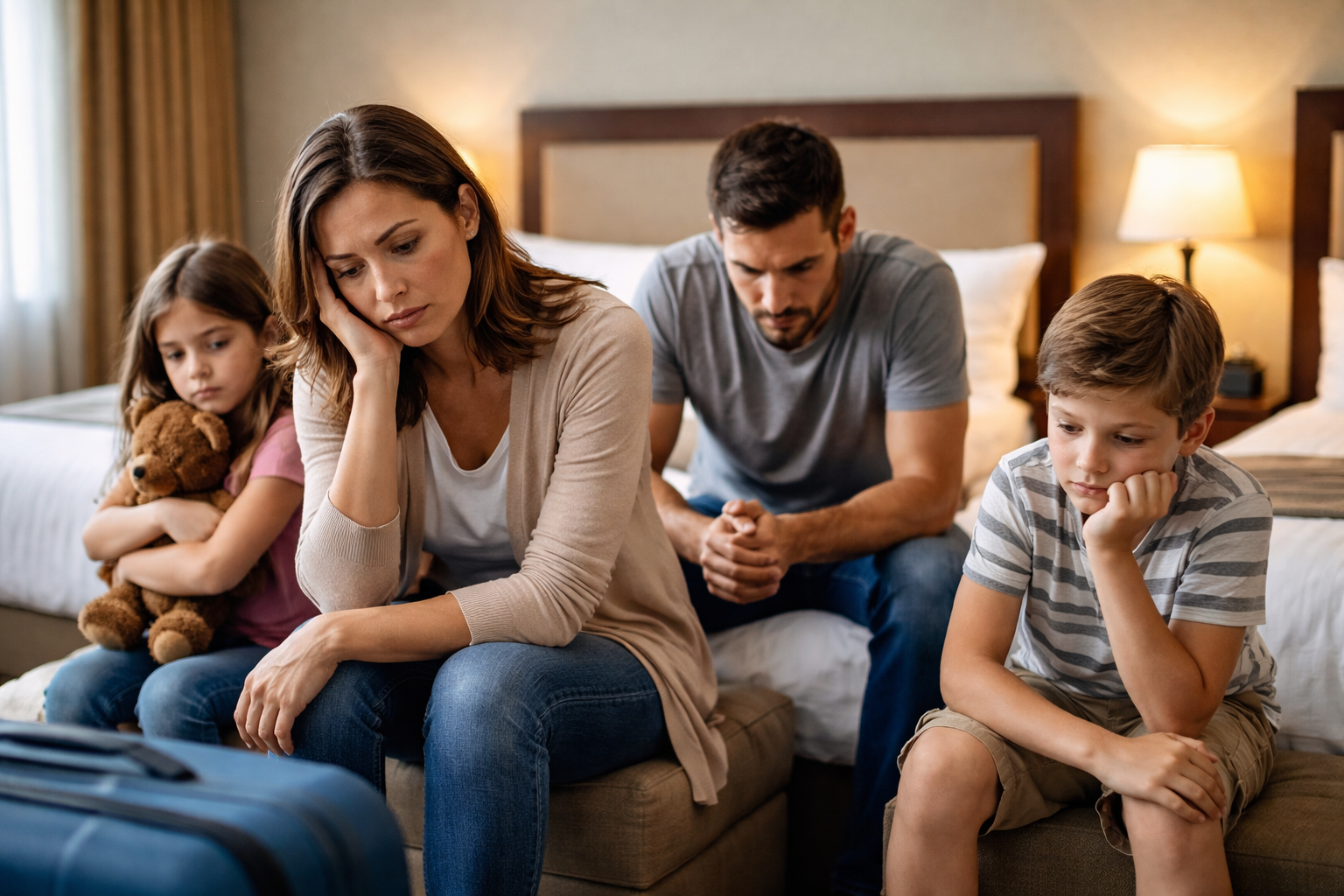
Why Hotels Are Often the Default for Displaced Families — and Why That’s a Problem
Why Hotels Are Often the Default for Displaced Families — and Why That’s a Problem
When families are displaced from their homes, hotels are often the first solution offered. While convenient in the short term, hotel stays can quickly become stressful and impractical for families facing weeks or months of displacement. This article explores why hotels are commonly used—and why they may not be the best fit for long-term recovery.
When a family is displaced from their home due to fire, storm damage, or major repairs, the immediate priority is safety and shelter. In many cases, insurance carriers or housing vendors place families into hotels as a quick solution.
Hotels are often chosen because they are:
Fast to book
Widely available
Easy to manage short term
However, what works for the first few nights does not always work for the next few months.
For families displaced longer than a couple of weeks, hotel living can quickly become stressful and impractical. Shared sleeping spaces, limited kitchens, lack of laundry, and minimal privacy can make it difficult to maintain normal family routines.
Insurance policies that include Additional Living Expense (ALE) or Loss of Use coverage are generally intended to help families maintain a standard of living similar to what they had before the loss. For many households, a hotel room simply does not reflect that standard.
Hotels may be a reasonable temporary emergency solution, but they are often not the best long-term option for families facing extended displacement.
Understanding that hotels are a default — not a requirement — is the first step toward finding housing that better supports recovery and stability.
When a Furnished Home Makes More Sense Than a Hotel During Displacement
When a Furnished Home Makes More Sense Than a Hotel During Displacement
Displacement lasting 30 days or more requires more than just a place to sleep. Furnished homes offer families space, privacy, and routine—things that hotels often can’t provide. This post explains when a full home better supports stability, comfort, and everyday life during extended displacement.
Every displaced family’s situation is different, but one factor matters more than most: time.
When displacement is expected to last 30 days or longer, a furnished home often provides a more livable and realistic solution than an extended-stay hotel.
A furnished home can offer:
Separate bedrooms for parents and children
A full kitchen for regular meals
Space for work, school, and daily routines
Laundry access
Privacy and a sense of normalcy
For families with children, pets, or work-from-home responsibilities, these factors can significantly reduce stress during an already difficult period.
Insurance housing coverage is typically designed to support livability, not just shelter. A furnished home often aligns more closely with the family’s pre-loss living conditions than a single hotel suite.
Choosing a home is not about upgrading or luxury — it’s about function, routine, and stability while repairs are completed.